


Urban Grapes rated 5* Customer Reviews
Order with confidence everytime
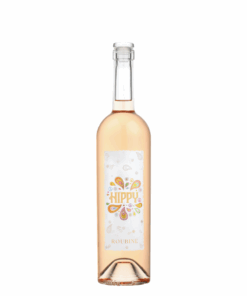
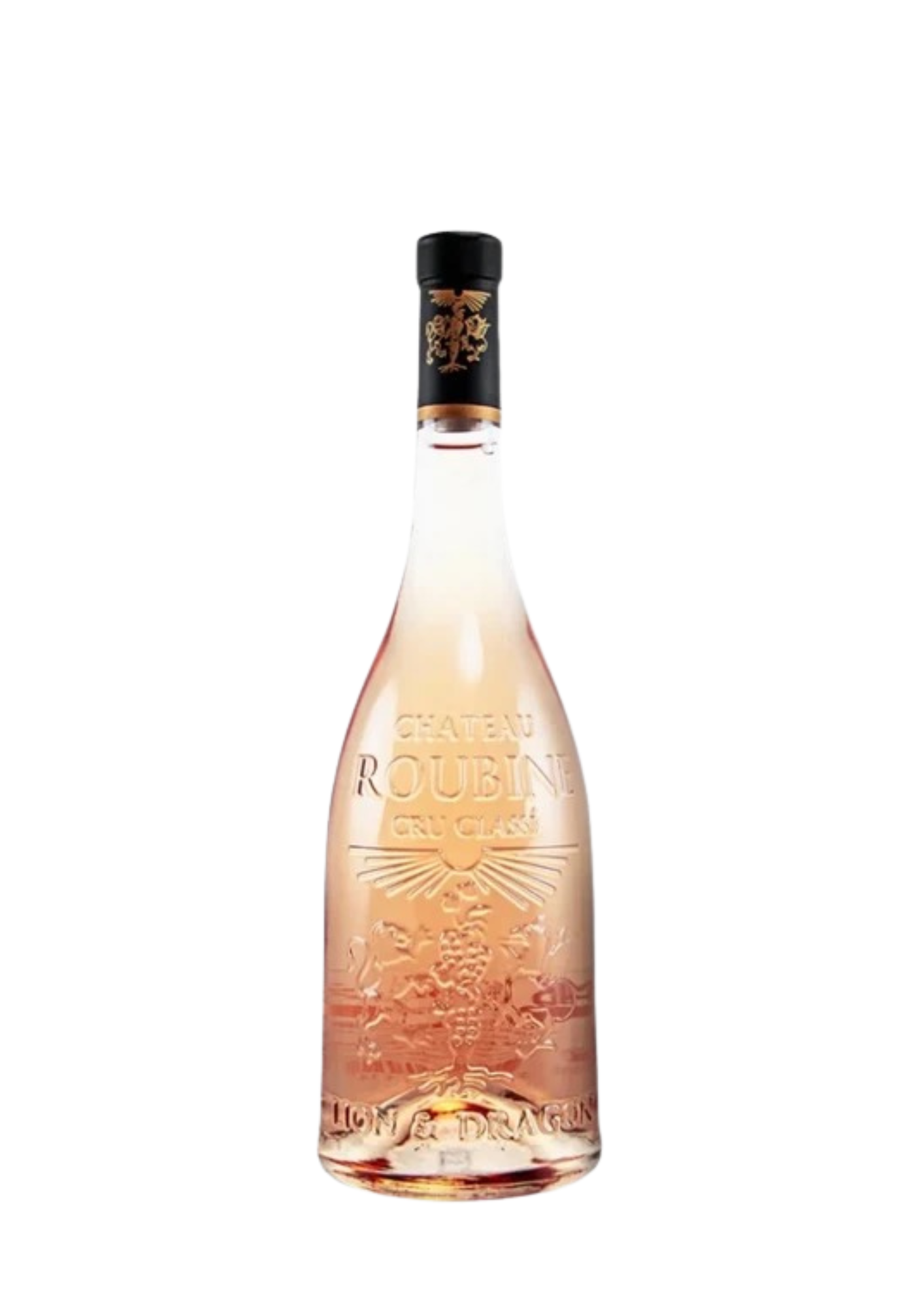
Château Roubine Lion & Dragon Côtes de Provence Cru Classé Rosé (Organic) AOP Provence, France
£26.90
Château Roubine Lion & Dragon Côtes de Provence Cru Classé Rosé (Organic) AOP Provence, France
TASTING NOTES
Lion & Dragon Rosé is a beautifully refined, gastronomic Provence rosé from Château Roubine, one of the historic Cru Classé estates of Côtes de Provence. Pale and elegant yet with considerably more depth than a simple summer rosé, it combines delicate red berries, peach and citrus with floral notes, subtle Mediterranean herbs and a distinctive mineral-saline freshness. Silky, precise and wonderfully persistent, this is a premium rosé made as much for the dining table as the terrace – a sophisticated taste of Provence from an estate with centuries of history.
WHY YOU’LL LOVE THIS WINE
This stunning Organic wine is classic Provence elegance with the depth and character of a serious food wine – beautifully fresh and mineral, yet with enough texture and complexity to accompany grilled sea bass, shellfish or Mediterranean and Asian-inspired dishes. Chill a bottle for a long summer lunch, an evening in the garden or dinner with friends; this is Provence rosé elevated beyond the everyday, bringing a little of the Côte d’Azur lifestyle to the table. soul and sunshine.

*Fast & Safe Delivery | FREE when spending over £140
Grape Varieties
- 40% Organic Grenache Noir
- 20% Organic Consult
- 10% Organic Tibouren
- 10% Organic Rolle
Extended Wine Information & Taste Notes
Lion & Dragon Rosé is one of the flagship wines of Château Roubine, a historic Cru Classé of Côtes de Provencesituated between Lorgues and Draguignan in the heart of the Var. More structured and gastronomic than many Provence rosés, Lion & Dragon is designed to combine the effortless freshness associated with the region with genuine depth, texture and complexity.
The wine is created from traditional Mediterranean varieties including Grenache, Tibouren, Mourvèdre and Rolle, with the precise composition varying between releases. These complementary varieties provide the balance at the heart of Lion & Dragon: Grenache brings generous red fruit, Tibouren contributes distinctive Provençal character and finesse, Mourvèdre adds structure and complexity, while Rolle introduces aromatic freshness and a subtle citrus character.
The estate’s vineyards lie on naturally well-drained clay-limestone soils, surrounded by pine and oak woodland. Provence’s generous Mediterranean sunshine encourages full flavour development, while the estate’s careful organic and biodynamic approach places soil health, biodiversity and the expression of its terroir at the centre of viticulture.
In the glass, Lion & Dragon is elegant and expressive, revealing delicate red berries, peach and nectarine alongside citrus, floral notes and subtle Mediterranean character. The palate has greater texture and concentration than a typical aperitif rosé, balanced by crisp acidity and a beautifully refreshing mineral and saline quality that carries through to a long, refined finish.
This is a rosé to enjoy throughout a meal rather than reserve only for the aperitif. Serve it well chilled with seafood, shellfish, grilled fish, Provençal dishes or refined Asian cuisine – or simply open a bottle for a long, relaxed lunch and enjoy a distinctly sophisticated expression of Provence.
ABV
12.5%
- Organic
- Biodynamic
75cl
| Grape | Cinsault, Rolle, Grenache Noir, Tibouren |
|---|
Producer
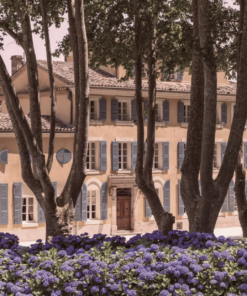
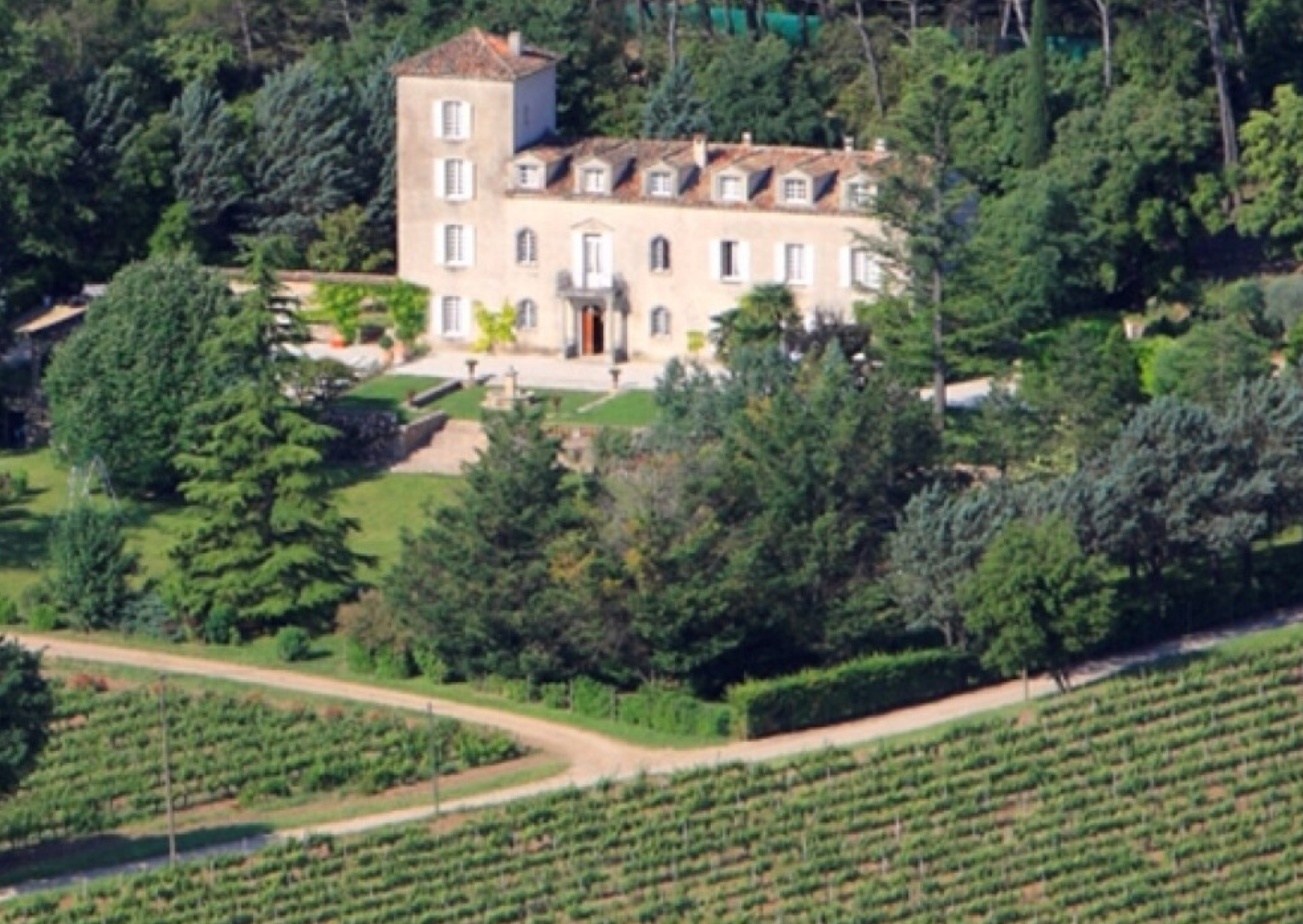
Château Roubine is one of just 18 Cru Classé estates in Provence, with a winemaking history that stretches back to the 14th century. Nestled between the Verdon and the Mediterranean, the estate spans 130 hectares with 13 different grape varieties and a striking commitment to biodiversity. The name “Roubine” means “stream” in Provençal, and the vineyards benefit from a natural water source that nourishes the vines sustainably.
Today, under the stewardship of Valérie Rousselle, the estate is certified organic and known for its elegant, terroir-driven wines.
The history of Château Roubine is intertwined with Provence itself. Known since the beginning of the 14th century, the estate was once owned by the Knights Templar, before passing in 1307 to the Order of Saint John of Jerusalem and subsequently through a succession of prominent Provençal families.
In 1955, Château Roubine became one of only 23 estates recognised as Cru Classé of Côtes de Provence. Since 1994 the estate has been owned by Valérie Rousselle, a native of Saint-Tropez, who has overseen a significant evolution of the property while maintaining its historic identity.
Situated between Lorgues and Draguignan, the vineyard occupies a remarkable natural setting of clay-limestone soils surrounded by pine and oak woodland. Environmental stewardship is central to the modern estate: Château Roubine achieved organic certification in 2017 before progressing to certified biodynamic viticulture under Demeter.
The name and imagery of Lion & Dragon also have a direct connection to the estate’s history and location. The dragon symbolises nearby Draguignan, while the lion represents Lorgues, bringing together the two places between which Château Roubine sits. Lion & Dragon is consequently much more than a label – it represents the history, terroir and contemporary ambition of this distinguished Provençal estate.
Food Pairings
Lion & Dragon has the structure and texture to be treated as a gastronomic rosé, making it particularly versatile at the table.
Local French Pairing
Bouillabaisse – Traditional Provençal fish and seafood stew
The wine’s combination of ripe fruit, crisp acidity and subtle saline minerality is an excellent partner for the mixture of fish, shellfish, saffron, herbs and Mediterranean flavours found in this classic Provençal dish. Its freshness cuts through the richness of the broth while its additional texture allows it to stand alongside the intensity of the dish.
It is also excellent with grilled sea bass with fennel, king prawns, lobster, oysters and shellfish, seared tuna, salade Niçoise, Provençal vegetables, goat’s cheese tart, charcuterie and refined Asian dishes such as sushi, sashimi or a delicately spiced fish curry.
Wine Region
Côtes de Provence, Provence, France
Côtes de Provence is the largest and most internationally recognised appellation in Provence and has become the global benchmark for elegant, pale, dry rosé. Stretching through the Var towards the Mediterranean coast, its landscape encompasses limestone hills, forests and vineyards shaped by abundant sunshine and the cooling influence of the Mistral.
Château Roubine lies between Lorgues and Draguignan, where its vineyards form a natural amphitheatre surrounded by pine and oak woodland. The estate’s predominantly clay-limestone soils provide natural drainage and help create wines that balance Mediterranean ripeness with freshness and mineral definition.
The estate also holds one of Provence’s most important historical distinctions. In 1955, Château Roubine was one of just 23 Côtes de Provence estates recognised as Cru Classé, a classification acknowledging estates with an established reputation for the quality of their vineyards and wines.
Lion & Dragon represents the more gastronomic side of Provence rosé – retaining the freshness and elegance that define the region while adding texture, structure and complexity.
Frequently Asked Questions
What is Château Roubine Lion & Dragon Rosé?
Lion & Dragon is a premium AOP Côtes de Provence rosé produced by Château Roubine, one of the historic Cru Classé estates of Provence. It is made in a more textured, complex and gastronomic style than a simple aperitif rosé.
What grapes are used in Lion & Dragon Rosé?
The wine is produced from traditional Provençal varieties including Grenache, Tibouren, Cinsault and Rolle, although the blend can vary by vintage. For this reason, the current bottle or supplier specification should always be used for exact grape varieties and percentages.
What does Lion & Dragon Rosé taste like?
Expect delicate red berries, peach, nectarine and citrus, complemented by subtle floral and Mediterranean notes. The palate combines silky fruit and texture with crisp acidity, minerality and a long, refreshing saline finish.
Is Lion & Dragon a dry rosé?
Yes. Lion & Dragon is a dry Provence rosé. The 2025 wine entered into the IWSC is classified as dry with less than 5g/l residual sugar.
What does Cru Classé mean?
Château Roubine was one of just 23 Côtes de Provence estates awarded Cru Classé status in 1955. It is a historic estate classification recognising the established quality and reputation of selected Provençal wine estates.
Is Château Roubine Lion & Dragon organic?
Yes. Château Roubine has been certified organic since 2017, and current Lion & Dragon releases are identified as organic.
Is Château Roubine biodynamic?
Yes. Château Roubine progressed from organic viticulture to become the first Cru Classé of Côtes de Provence certified biodynamic by Demeter, reflecting the estate’s commitment to soil health, biodiversity and environmentally responsible vineyard management.
Is Lion & Dragon Rosé vegan?
The current 2025 IWSC specification identifies the wine as not vegan, so Urban Grapes should not display a vegan claim for this release.
What food goes best with Lion & Dragon?
Its additional structure makes it excellent with grilled fish, shellfish, prawns, bouillabaisse and Mediterranean cuisine, while its freshness and aromatic character also work particularly well with sushi, sashimi and refined Asian dishes.
Can I drink Lion & Dragon without food?
Absolutely. Despite its gastronomic character, its freshness and elegance make it beautiful by itself – particularly for a long summer lunch, drinks on the terrace or a relaxed evening in the garden.
What temperature should I serve it at?
Serve chilled at approximately 8–10°C. Avoid serving it ice-cold, as a little warmth in the glass allows its fruit, floral aromas and texture to become more expressive.
How long can Lion & Dragon Rosé be kept?
Unlike many simple Provence rosés, Lion & Dragon has sufficient concentration and structure to develop for a short period in bottle. It is nevertheless at its most vibrant when enjoyed within approximately 2–3 years of the vintage.
You may also like…
£13.55
CASE OFFER
Price range: £22.00 through £118.80
£15.90